
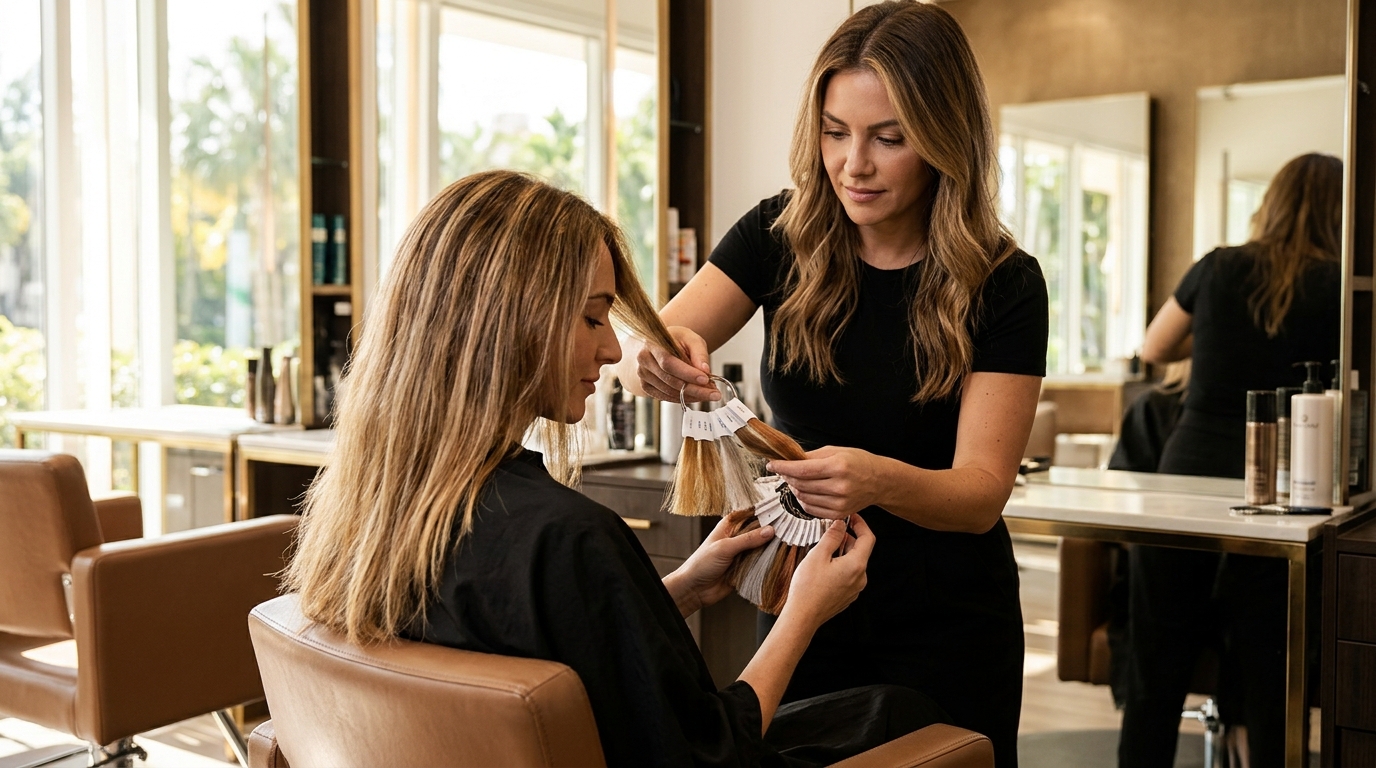
Color correction is a complex chemical process designed to neutralize unwanted tones and restore hair health. In Miami, the intense sun and humidity can accelerate color fading and damage, making professional assessment critical. Avant-Garde Salon & Spa emphasizes that successful correction requires a thorough analysis of your hair's current state, not just the desired end result. Understanding the risks and preparation steps ensures a safer, more predictable outcome for your hair.
Understanding the Chemical Process
Color correction is the technical process of removing or neutralizing unwanted hair color pigments to achieve a desired shade. It is not a standard coloring service; it often involves multiple chemical applications and significant time. The primary goal is to reset the hair's canvas before applying a new color. This distinction is vital because standard color cannot simply cover over heavy metal deposits or severe brassiness without proper correction first. For additional details, review the Avant Garde Salon Spa.
Why Miami Climate Matters
Miami's environment presents unique challenges for color-treated hair. The high humidity and strong UV exposure can cause hair cuticles to lift, leading to rapid color oxidation and dryness. This environmental stress means that hair entering a salon for correction may be more porous than hair in drier climates. Professionals must account for this porosity when mixing formulas to ensure even absorption and longevity. For additional details, review the .
Assessing Hair Health and Porosity
Before any chemical service, a stylist must evaluate the structural integrity of your hair. Hair porosity is the ability of the hair shaft to absorb and retain moisture. High porosity hair, often resulting from previous bleaching or heat damage, absorbs color unevenly. This can lead to patchy results or further breakage if the hair is not properly conditioned. A strand test is a non-negotiable step in this assessment. For additional details, review the Customer Experience.
The Importance of a Strand Test
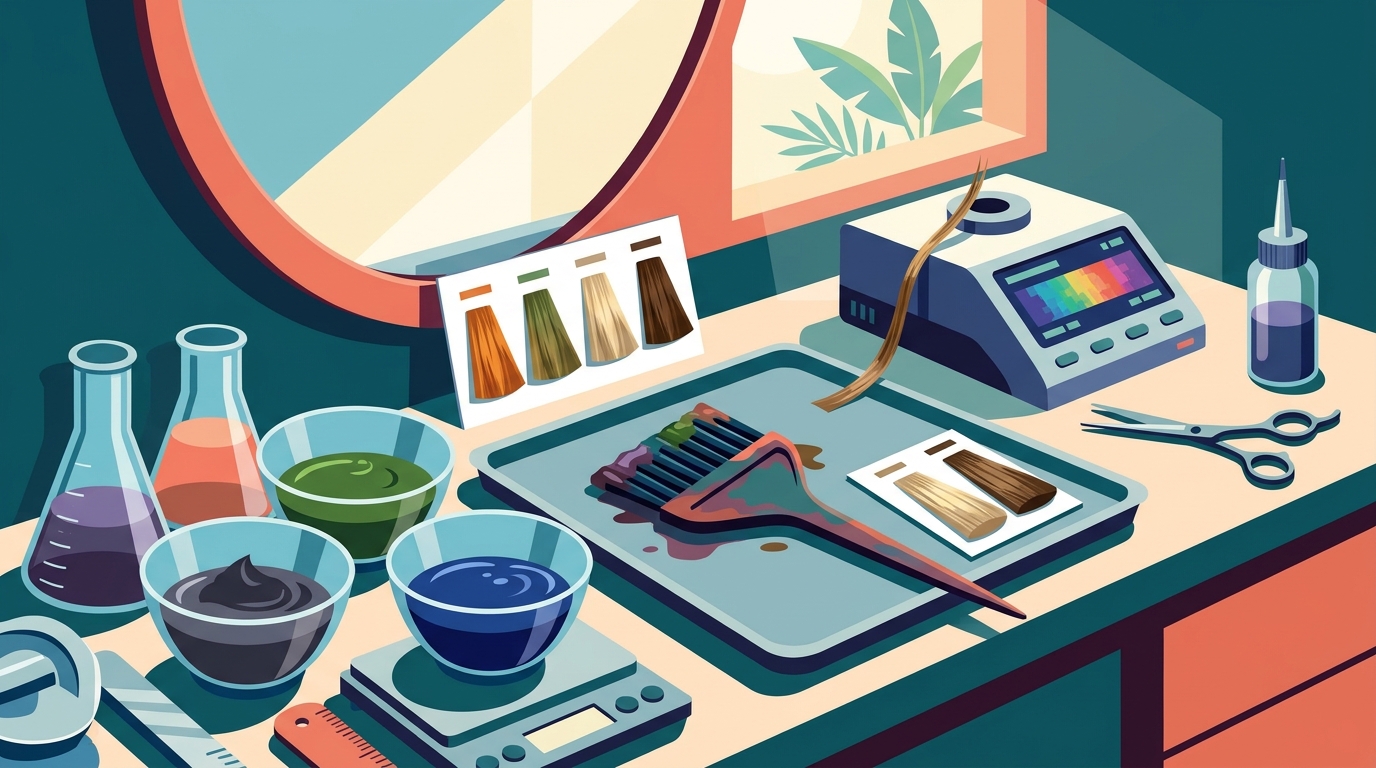
A strand test involves applying the correction formula to a small, hidden section of hair. This allows the stylist to observe how the hair reacts to the chemicals over time. It predicts the final color outcome and checks for potential allergic reactions or excessive damage. Skipping this step is a common cause of failed corrections and hair loss.
Managing Expectations and Realistic Outcomes
Color correction is rarely a one-visit solution. It is a multi-stage process that may require several appointments to achieve a seamless result. Clients often expect a dramatic change in a single session, but the health of the hair dictates the pace of the service. Rushing the process to save time or money often results in compromised hair quality. Patience is the most important ingredient in a successful correction.
Defining Your Goal Shade
Clear communication is essential for achieving your desired look. Bring reference photos that show the lighting and context of the color you want. However, be prepared for professional advice that may suggest a slightly different shade to ensure hair health. A stylist will prioritize a result that is sustainable and healthy over one that is perfect but damaging.
Pre-Service Preparation and Aftercare
Proper preparation before your appointment sets the stage for a successful correction. Avoid using heavy styling products or oils that can create a barrier on the hair shaft. Wash your hair with a clarifying shampoo 24 to 48 hours before your visit to remove buildup. This ensures the chemicals can penetrate the hair evenly. After the service, a dedicated aftercare routine is mandatory to maintain the new color and protect the hair structure.
Post-Correction Care Routine
Choosing the Right Professional
Selecting a stylist with specific expertise in color correction is crucial. Look for a professional who specializes in complex color services and has a portfolio of similar corrections. Experience matters because color correction requires a deep understanding of color theory and chemical interactions. A reputable salon will prioritize hair health over speed and will be transparent about the process and potential risks.
Questions to Ask Your Stylist
During your consultation, ask specific questions about the process. Inquire about the number of visits required and the estimated cost for the full correction. Ask about the products used and their impact on hair health. A qualified stylist will welcome these questions and provide detailed answers. This transparency builds trust and ensures you are making an informed decision.
Key Takeaways
- Color correction is a complex chemical process that requires a thorough assessment of hair health and porosity.
- Miami's humidity and sun exposure can accelerate hair damage, making professional evaluation essential.
- A strand test is a critical step to predict color outcomes and check for potential damage or reactions.
- Realistic expectations are vital; most corrections require multiple visits to ensure hair integrity.
- Pre-service preparation, including clarifying washes, ensures even chemical absorption.
- Post-correction aftercare with sulfate-free products and UV protection is mandatory for longevity.
- Choose a stylist with specific expertise in color correction and a transparent consultation process.
Frequently Asked Questions
How long does a hair color correction take?
A hair color correction can take anywhere from 4 to 8 hours in a single session, or it may require multiple visits over several weeks. The duration depends on the severity of the damage and the desired outcome. Your stylist will provide a specific timeline during your consultation.
Will color correction damage my hair?
Color correction involves strong chemicals that can stress the hair shaft. However, when performed by a skilled professional with proper strand tests and aftercare, the damage can be minimized. The goal is to achieve the desired color while preserving as much hair health as possible.
Can I correct my hair at home?
It is not recommended to attempt complex color corrections at home. Professional products and techniques are required to safely remove unwanted pigments. Home kits often lack the precision needed for even results and can lead to severe damage or uneven color.
How much does color correction cost in Miami?
Costs vary widely based on the length of your hair, the severity of the correction, and the salon's expertise. It is a premium service due to the time and skill required. Always request a detailed quote during your consultation to avoid surprises.
What should I avoid before my appointment?
Avoid using heavy oils, styling products, or heat tools for 48 hours before your appointment. These can create a barrier that prevents even chemical absorption. Wash your hair with a clarifying shampoo to ensure a clean canvas for the correction.
How do I maintain my color after correction?
Use sulfate-free shampoos and conditioners, and incorporate deep conditioning treatments into your routine. Protect your hair from the sun with UV-protectant products. Limit heat styling and use heat protectants when necessary to maintain color vibrancy and hair health.
Conclusion
Getting your hair color corrected in Miami requires careful preparation and a trusted professional. By understanding the chemical process, assessing your hair's health, and setting realistic expectations, you can achieve a beautiful and sustainable result. Avant-Garde Salon & Spa in Coral Gables offers expert color correction services tailored to your unique hair needs. Schedule a consultation today to discuss your goals and begin your journey to healthy, vibrant hair.