
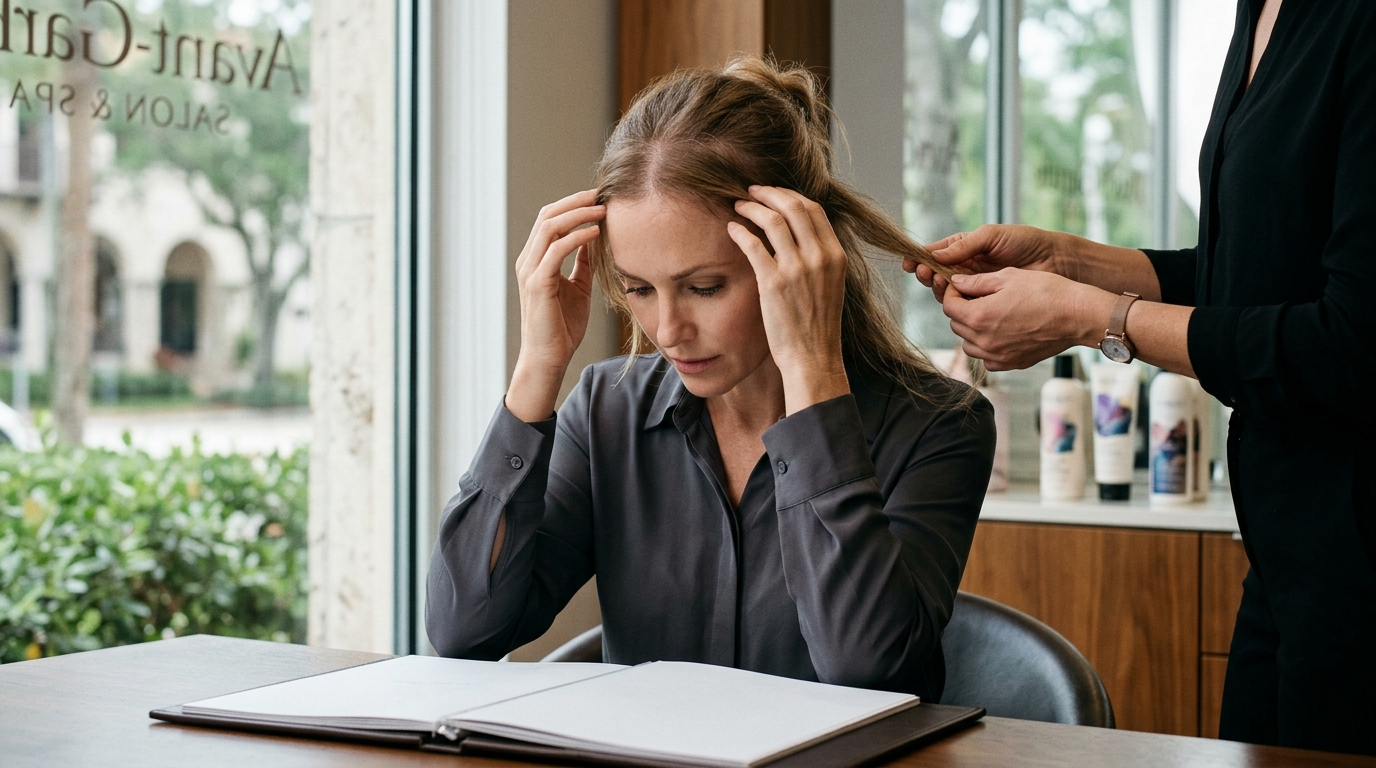
Installation and Maintenance Mistakes That Damage Thinning Hair With Extensions
Thinning hair is a growing concern for millions of people, with recent industry data indicating that over 85 million men and women in the United States experience hair loss by age 50. This statistic highlights the urgent need for safe cosmetic solutions that enhance volume without compromising the health of existing follicles. Many individuals turn to hair extensions as a quick fix, but improper application or care can lead to traction alopecia, a condition where constant pulling causes permanent hair loss. Understanding the specific mechanical and chemical errors that exacerbate thinning is critical for anyone considering this aesthetic upgrade. This guide outlines the most common pitfalls and provides actionable strategies to protect your natural hair while achieving the desired look.
Understanding Thinning Hair and Extension Risks
Before diving into specific mistakes, it is essential to define the structural vulnerabilities of thinning hair. Thinning hair is a condition characterized by a reduction in the density of hair strands, often resulting from genetic factors, hormonal changes, or nutritional deficiencies. When hair density decreases, the remaining strands bear a disproportionate amount of mechanical stress. Adding weight through extensions amplifies this stress, potentially leading to breakage at the root or along the shaft.
Research published in dermatological journals suggests that traction alopecia is often reversible if caught early, but prolonged tension can cause irreversible follicle damage. This means that the method of attachment and the weight of the extensions must be carefully calibrated to the strength of the natural hair. Ignoring these biological limits is the primary driver of long-term damage.
Critical Installation Errors to Avoid
The installation phase is where the most significant damage occurs. Many clients prioritize speed and cost over safety, leading to preventable injuries. Here are the most common installation errors.
1. Incorrect Weight Distribution
One of the most frequent mistakes is applying too much weight to a single section of thinning hair. Traction alopecia is a form of hair loss caused by prolonged pulling on the hair follicles. When extensions are too heavy, they pull the natural hair out of its growth phase prematurely. For thinning hair, the weight must be distributed across a larger surface area or using lighter, more flexible materials. At Avant-Garde Salon & Spa, we specialize in customizing extension weights to match your hair's density, ensuring that no single strand bears more than its safe load limit.
2. Improper Placement Near the Scalp
Placing extensions too close to the scalp can cause irritation and inflammation. This is particularly dangerous for those with thinning hair, as the scalp may already be sensitive. Extensions should be placed with enough distance from the root to allow for natural hair growth and movement. Incorrect placement can also lead to matting, which requires forceful detangling that further damages the hair shaft.
3. Using Incompatible Attachment Methods
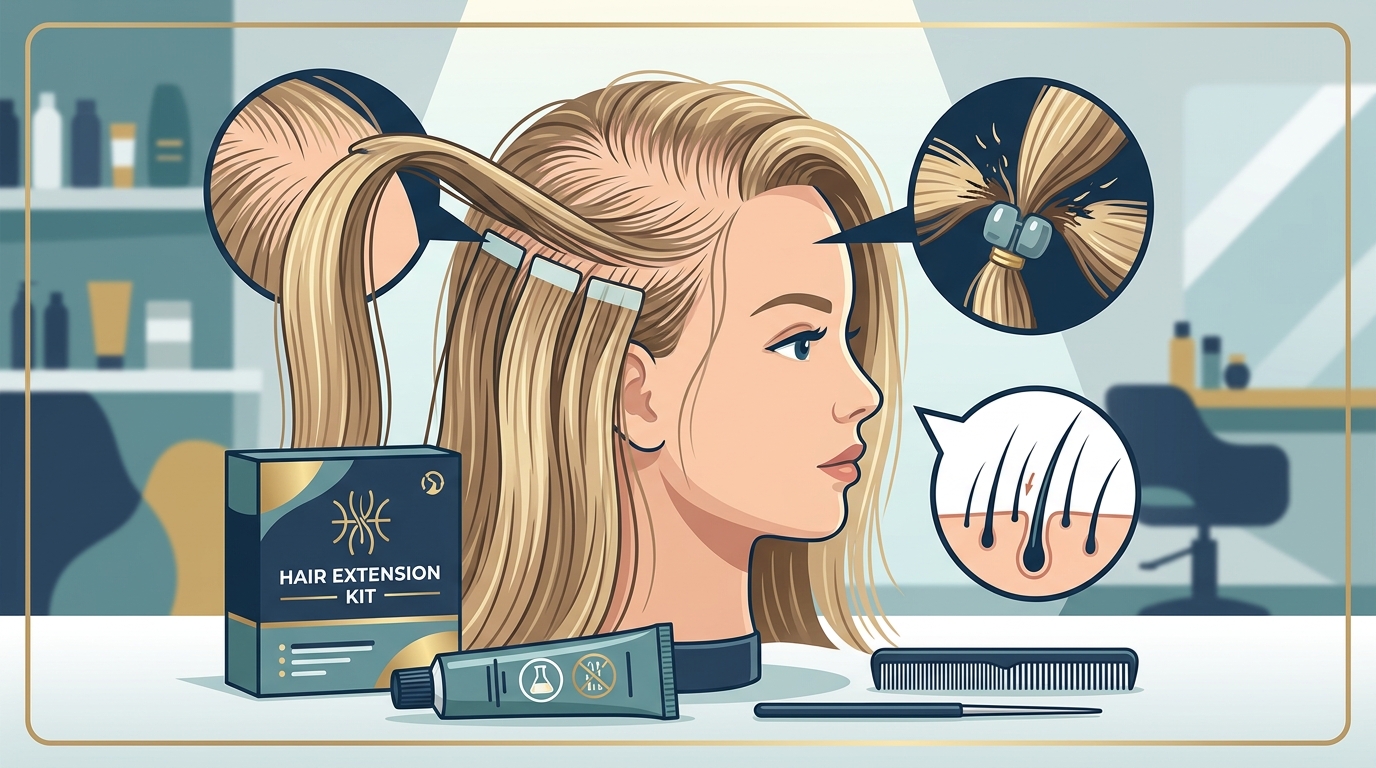
Not all extension methods are suitable for thinning hair. Traditional glue-in or heavy tape-ins can be too aggressive. Bonding is the process of attaching hair extensions to natural hair using adhesive materials. For thinning hair, methods like micro-links, nano-rings, or hand-tied wefts with a lightweight base are often safer. These methods distribute weight more evenly and do not rely on strong adhesives that can weaken the hair cuticle during removal. Consulting with a specialist at Avant-Garde Salon & Spa can help you choose the right method for your specific hair type.
Maintenance Mistakes That Weaken Follicles
Even with perfect installation, poor maintenance can lead to significant damage. The daily routine of caring for extensions requires a different approach than caring for natural hair alone.
1. Neglecting the Roots
Many clients focus on conditioning the ends of the extensions while neglecting the roots. This leads to oil buildup at the scalp, which can clog follicles and exacerbate thinning. Regular cleansing of the scalp is essential to maintain a healthy environment for hair growth. Use a sulfate-free shampoo that is gentle enough for both natural hair and extension bonds. Visit Avant-Garde Salon & Spa for professional scalp treatments that cleanse and stimulate the follicles without stripping natural oils.
2. Rough Detangling
Brushing extensions from the top down is a common error that causes severe tangling and breakage. Always start detangling from the ends and work your way up to the roots. Use a loop brush or a wide-tooth comb designed for extensions. This technique minimizes stress on the bonds and prevents pulling on the natural hair. If you encounter a knot, do not pull it out. Instead, apply a small amount of detangling spray and gently work it loose.
3. Ignoring Adjustment Appointments
As natural hair grows, the extensions move away from the scalp, which can create tension on the bonds. Failing to get regular adjustments can lead to matting and slippage. Adjustment appointments are scheduled visits where extensions are moved closer to the scalp to maintain comfort and security. For thinning hair, these appointments are even more critical to ensure that the bonds are not pulling on weak strands. Schedule your adjustment every six to eight weeks to maintain optimal hair health.
Choosing the Right Products for Extension Care
The products you use play a significant role in the longevity of your extensions and the health of your natural hair. Using the wrong products can lead to bond breakdown, slippage, and dryness.
Avoid Alcohol-Based Products
Alcohol can dry out both natural hair and extension hair, leading to brittleness and breakage. It can also dissolve the adhesive used in certain extension methods. Look for alcohol-free shampoos, conditioners, and styling products. Hydrating ingredients like argan oil and keratin can help maintain the softness and shine of your extensions.
Use Heat Protectants
Heat styling is a common cause of damage for thinning hair. Always apply a heat protectant spray before using any hot tools. This creates a barrier that reduces moisture loss and prevents protein degradation. Limit the use of high-heat tools to minimize stress on the hair shaft. If you must use heat, keep the temperature below 350 degrees Fahrenheit.
Choose Lightweight Styling Products
Heavy gels and pomades can weigh down thinning hair and cause extensions to slip. Opt for lightweight mousses or sprays that provide hold without adding excess weight. This helps maintain volume at the roots, which is crucial for the appearance of thinning hair.
The Role of Professional Maintenance
While home care is important, professional maintenance is irreplaceable. Trained stylists can identify early signs of damage, such as thinning at the bonds or excessive shedding. They can also perform deep conditioning treatments that restore moisture and strength to the hair.
At Avant-Garde Salon & Spa, we understand the unique needs of clients with thinning hair. Our team is trained in the latest extension techniques that prioritize hair health. We offer personalized consultations to assess your hair's condition and recommend the safest and most effective extension options. Our goal is to enhance your beauty without compromising your hair's integrity.
Regular professional check-ups can also help you stay informed about new products and techniques that may benefit your hair type. The beauty industry is constantly evolving, and staying updated ensures that you are using the best tools for your hair care routine.
Key Takeaways
- Weight Matters: Always choose extensions that are light enough for your natural hair density to prevent traction alopecia.
- Proper Placement: Extensions should not be placed too close to the scalp to avoid irritation and matting.
- Gentle Detangling: Always detangle from the ends up to minimize breakage and stress on the bonds.
- Regular Adjustments: Schedule professional adjustments every six to eight weeks to maintain bond security and hair health.
- Product Selection: Avoid alcohol-based products and use heat protectants to preserve the integrity of both natural and extension hair.
- Professional Consultation: Seek advice from experts at Avant-Garde Salon & Spa to determine the best extension method for your specific hair needs.
- Scalp Care: Maintain a clean and healthy scalp environment to support natural hair growth beneath the extensions.
Frequently Asked Questions
Can hair extensions cause permanent hair loss?
Yes, if extensions are too heavy or installed incorrectly, they can cause traction alopecia, which can lead to permanent hair loss if not addressed. It is crucial to choose lightweight extensions and have them installed by a professional.
How often should I get my extensions adjusted?
Most clients should get their extensions adjusted every six to eight weeks. This ensures that the bonds remain secure and comfortable as your natural hair grows.
What is the best type of extension for thinning hair?
Hand-tied wefts, micro-links, and nano-rings are often recommended for thinning hair because they distribute weight evenly and do not rely on strong adhesives. Consult with a specialist at Avant-Garde Salon & Spa for a personalized recommendation.
Can I wash my hair with extensions in the shower?
Yes, but you must use a sulfate-free shampoo and conditioner. Avoid rubbing your hair vigorously. Instead, gently massage the scalp and let the water rinse out the product.
How do I prevent tangling with extensions?
Always detangle from the ends up using a loop brush or wide-tooth comb. Sleep with your hair in a loose braid to prevent tangling overnight.
Are human hair extensions better than synthetic for thinning hair?
Human hair extensions are generally better because they can be styled with heat and blend more naturally with your own hair. They also tend to be lighter and more durable than synthetic options.
What should I do if I experience pain from my extensions?
If you experience pain, do not ignore it. Contact your stylist immediately. Pain can indicate that the extensions are too tight or placed incorrectly, which can lead to damage.
Protect Your Hair, Enhance Your Beauty
Thinning hair does not mean you have to sacrifice volume and style. By avoiding common installation and maintenance mistakes, you can enjoy the benefits of hair extensions safely and confidently. The key is to prioritize the health of your natural hair above all else. Choose lightweight options, maintain a gentle care routine, and rely on professional expertise to guide you.
Ready to transform your look without compromising your hair health? Contact Avant-Garde Salon & Spa today to schedule a consultation. Our team of experts is dedicated to providing safe, effective, and beautiful solutions tailored to your unique needs. Visit us at 155 Miracle Mile, Coral Gables, Miami, FL 33134, or call +1 305-442-8136 to book your appointment.