

Thinning hair affects millions of people globally, creating a significant demand for volume-boosting solutions. According to the American Academy of Dermatology, hair loss is one of the most common complaints patients bring to dermatologists. When considering hair extensions, many individuals rush into the process without understanding the delicate balance required for fragile hair types. Avoiding critical errors during selection and maintenance is essential to prevent further damage while achieving the desired aesthetic results. (Contact Avant Garde Salon)
Understanding Thinning Hair and Extension Suitability
Before investing in any hair enhancement system, it is vital to understand the underlying condition of your natural hair. Thinning hair often results from genetics, hormonal changes, or nutritional deficiencies. According to Mayo Clinic, stress and medical conditions can significantly impact hair density. Extensions add weight and tension to the hair follicle. If the natural hair is already compromised, improper extension use can accelerate shedding. (Innovative Avant Garde Hair)
Not every extension type is suitable for thinning hair. Heavy, bulky methods can pull on fragile strands, leading to traction alopecia. The goal is to enhance volume without compromising the structural integrity of your existing hair. A thorough assessment of your hair's current health is the first step in preventing long-term damage.
The Weight Error: Choosing the Wrong Density
One of the most frequent mistakes clients make is selecting extensions that are too thick or heavy for their natural hair to support. According to Healthline, excessive tension on hair follicles can disrupt the growth cycle. When you choose a high-density weave or clip-in set, you place unnecessary stress on the roots. This tension can cause the hair to break off at the scalp or weaken the follicle over time.
For thinning hair, less is often more. Opting for a lighter, more natural density allows the extensions to blend seamlessly without pulling. The weight of the extensions should be distributed evenly to avoid concentrating stress on specific areas of the scalp. Consulting with a stylist who specializes in fine hair can help determine the appropriate weight for your specific hair type.
Attachment Method Errors: Tape vs. Fusion
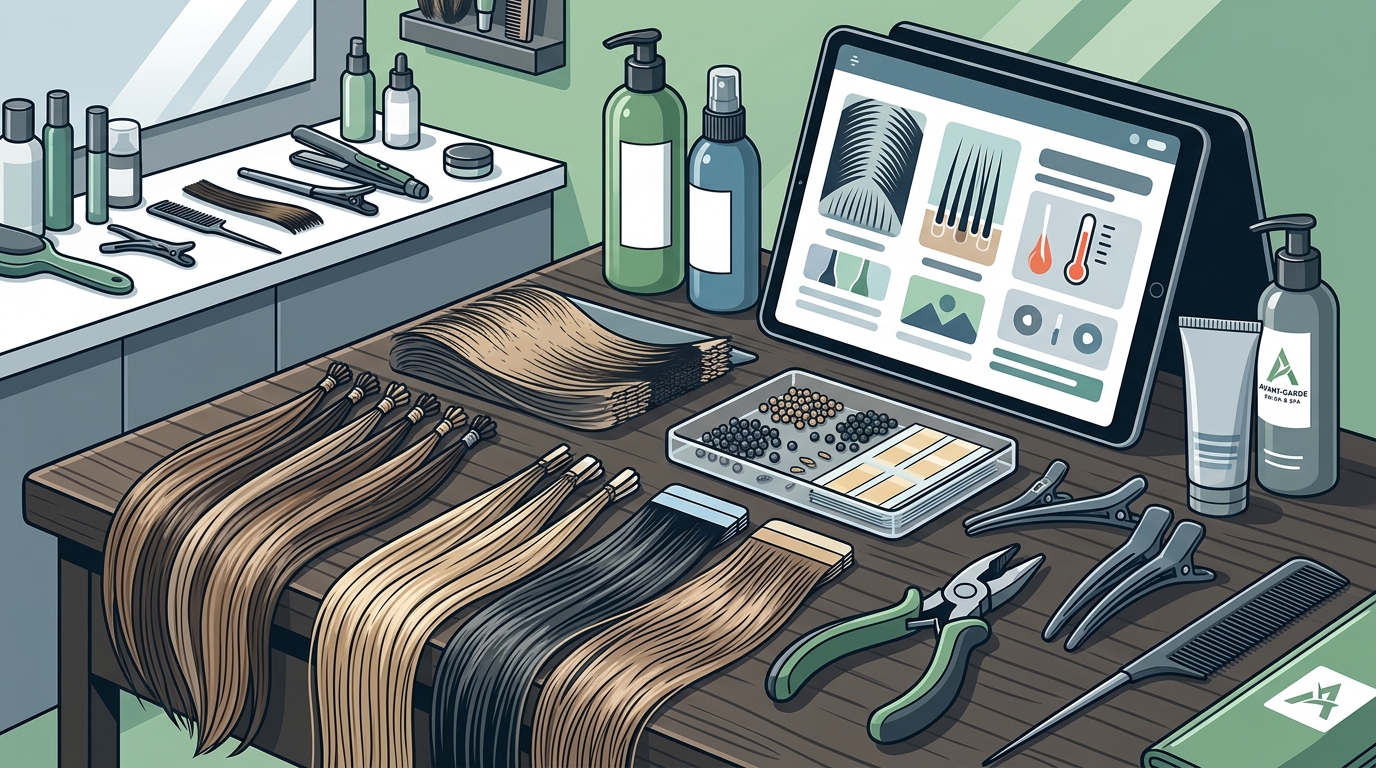
The method of attachment plays a crucial role in the safety of extensions for thinning hair. Many individuals mistakenly choose traditional fusion or glue-in methods, which can be too harsh for delicate strands. According to WebMD, chemical adhesives can weaken the hair shaft and cause breakage upon removal. The glue can also bond directly to the natural hair, making removal a painful and damaging process.
Tape-in extensions are often a safer alternative for thinning hair because they distribute weight across a wider surface area. However, even tape-ins must be applied with precision. The tape should not be placed too close to the scalp to avoid irritation. Another common error is ignoring the direction of the tape. Proper alignment ensures that the extensions lay flat and do not create bulk or tension points. Choosing the right attachment method is critical for maintaining hair health.
Neglecting Maintenance and Scalp Health
Extensions require regular maintenance to prevent tangling, matting, and scalp issues. Many people neglect this aspect, assuming that the initial application is sufficient.