
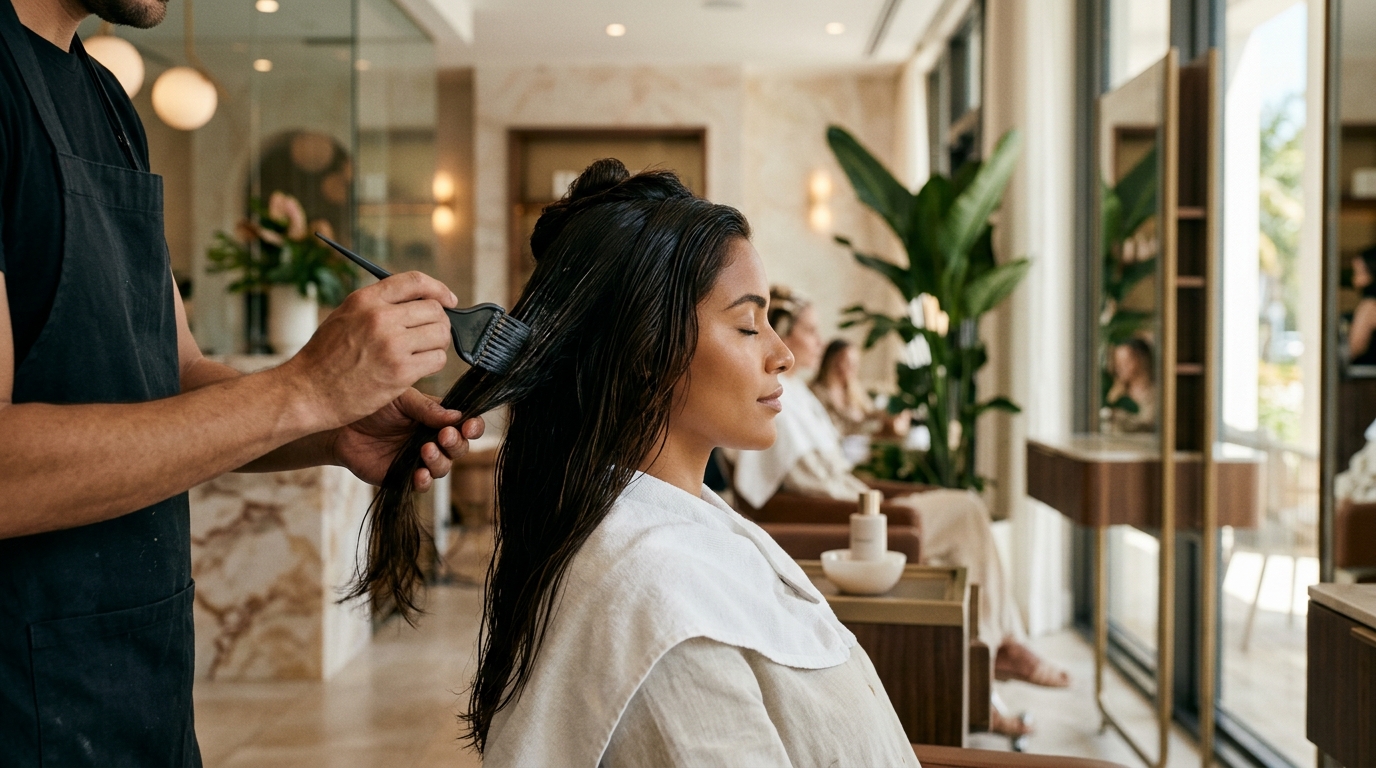
Living in South Florida means battling humidity, salt air, and intense UV exposure year-round. These environmental factors strip moisture from the hair shaft, leading to breakage, frizz, and dullness. According to recent industry data, over 70% of clients visiting Miami salons report heat or chemical damage as their primary concern. At Avant-Garde Salon & Spa, we understand that one size does not fit all when it comes to restoration. Choosing the correct repair treatment depends entirely on your specific hair texture, porosity, and the nature of the damage.
Understanding Hair Porosity and Damage
Before selecting a product, you must understand your hair's porosity. Hair porosity is the ability of your hair to absorb and retain moisture. Low porosity hair has a tightly bound cuticle layer that resists moisture. High porosity hair has gaps in the cuticle, allowing moisture to escape quickly. Damage often increases porosity, making the hair brittle and prone to breakage. Recognizing this distinction is the first step in effective hair care.
Environmental stressors in Coral Gables accelerate this process. The combination of chlorinated pool water and sun exposure can lift the cuticle, leading to what experts call "hygral fatigue." This condition occurs when hair repeatedly swells and shrinks, weakening the structural integrity of the strand. Addressing this requires targeted protein and moisture balancing.
Strategies for Fine and Thin Hair
Fine hair is delicate and easily weighed down by heavy oils and butters. The primary goal for fine hair is strengthening without adding bulk. Heavy treatments can cause fine strands to look greasy and flat within hours.
Lightweight Protein Masks
For fine hair, look for treatments containing hydrolyzed wheat or silk protein. These molecules are small enough to penetrate the shaft without coating the exterior heavily. They provide temporary structural support to weak spots. Avoid treatments with heavy silicones unless you are washing them out immediately.
Scalp Health Integration
Damaged fine hair often stems from a compromised scalp environment. A healthy scalp promotes stronger hair growth. At Avant-Garde Salon & Spa, we recommend pairing topical treatments with scalp massages to stimulate blood flow. This holistic approach ensures that new growth is resilient from the root.
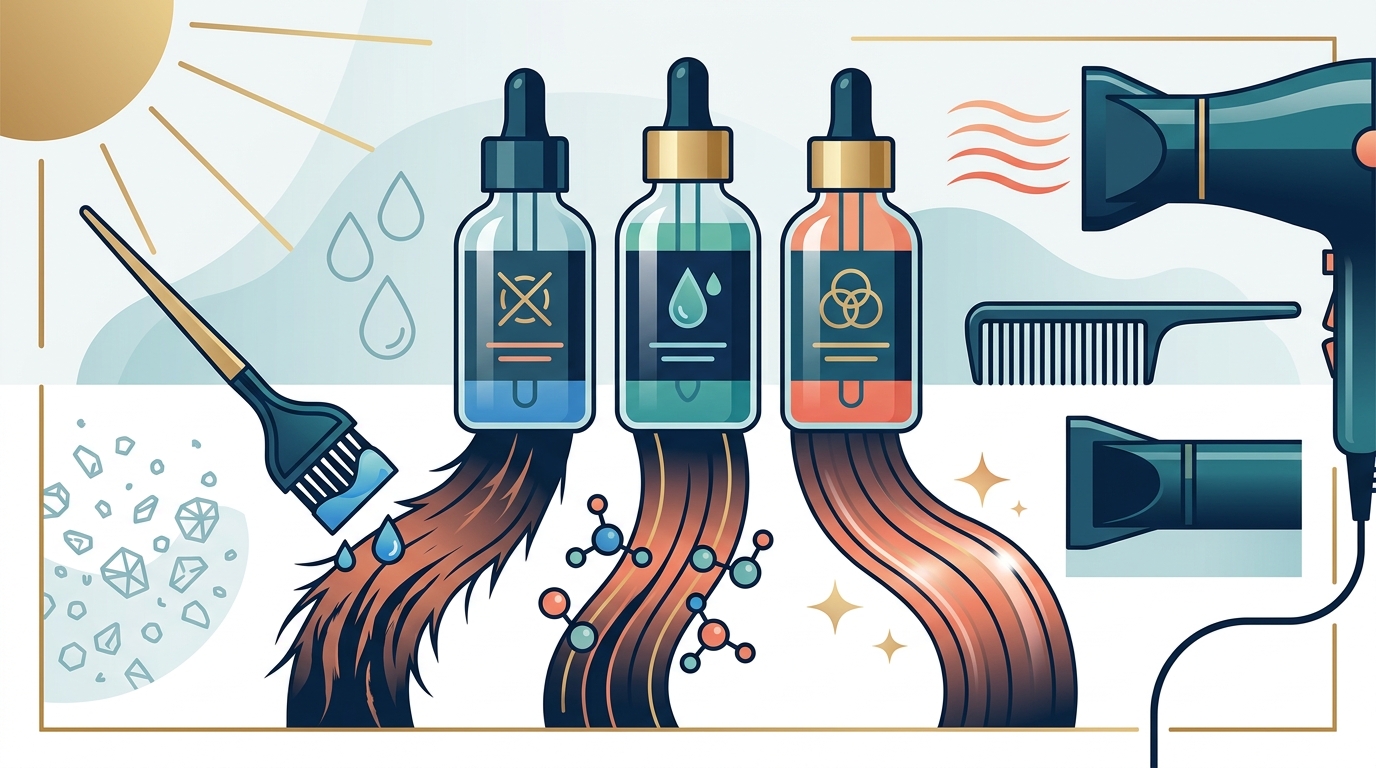
Protocols for Thick and Coarse Hair
Thick, coarse hair has a larger diameter and often a tighter cuticle structure. It requires more intensive hydration to penetrate the shaft. Without adequate moisture, this hair type becomes dry, frizzy, and unmanageable.
Deep Conditioning with Heat
Thick hair benefits significantly from deep conditioning treatments applied with heat. The heat opens the cuticle, allowing rich emollients like shea butter, argan oil, and keratin to penetrate deeper. This process restores elasticity and reduces frizz. Regular body and hair spa treatments can maintain this level of hydration.
Sealing Techniques
After applying a hydrating mask, sealing the moisture is crucial. This involves using a slightly heavier oil to lock in the water. This technique prevents the rapid evaporation of moisture in Florida's humid climate. Consistent application of these heavy-duty treatments can transform coarse hair into a soft, manageable texture.
Repairing Curly and Wavy Textures
Curly hair is naturally drier because the natural oils from the scalp struggle to travel down the spiral shaft. Damage in curly hair often manifests as loss of definition, shrinkage, and breakage at the nape of the neck.
Moisture-First Approach
The golden rule for curly hair is moisture before protein. If you apply protein to already dry curls, you risk making them brittle and straw-like. Focus on hydrating masks containing glycerin, aloe vera, and honey. These ingredients attract water to the hair shaft. Latest beauty trends emphasize the importance of this moisture balance for curl retention.
Gentle Detangling
Damage often occurs during the detangling process. Use a wide-tooth comb or your fingers while the hair is saturated with conditioner. Never brush curly hair when it is dry. This prevents mechanical breakage and preserves the natural curl pattern. Professional facial and hair styling services can also provide personalized detangling advice.
Restoring Chemically Treated Hair
Coloring, bleaching, and perming alter the chemical structure of the hair. This process breaks the disulfide bonds that give hair its strength. Restoring these bonds is critical for maintaining hair health.
Bond-Building Treatments
Bond-building treatments are designed to reconnect broken disulfide bonds. These treatments often contain ingredients like cysteamine or bis-aminopropyl diglycol dimaleate. They work at a molecular level to reinforce the hair structure. This is particularly important for clients who frequently visit for hair color services in Coral Gables.
Regular Toning and Glossing
Chemically treated hair often loses its shine quickly. Glossing treatments add a layer of colorless or translucent pigment to the hair shaft. This smooths the cuticle and reflects light, creating the appearance of health. It also provides a minor protective barrier against environmental damage.
Comparison of Repair Modalities
Understanding the differences between treatment types helps in making an informed decision. The table below outlines the primary characteristics of common repair methods.
| Treatment Type | Primary Function | Best For | Frequency |
|---|---|---|---|
| Protein Masks | Strengthens and repairs structural bonds | Fine, damaged, or over-processed hair | Every 2-4 weeks |
| Moisture Masks | Hydrates and softens the hair shaft | Thick, coarse, or curly hair | Weekly |
| Bond Builders | Reconnects broken chemical bonds | Color-treated or bleached hair | During service or monthly |
| Oil Treatments | Seals moisture and adds shine | All hair types, especially dry ends | As needed |
Key Takeaways
- Porosity Matters: Identify your hair's porosity to select the correct product weight and penetration level.
- Fine Hair Needs Lightness: Use hydrolyzed proteins and avoid heavy butters to prevent weighing down fine strands.
- Thick Hair Needs Depth: Utilize heat-assisted deep conditioning to penetrate the dense cuticle layer of thick hair.
- Curly Hair Needs Moisture: Prioritize hydration over protein to maintain curl definition and prevent brittleness.
- Color Damage Requires Bonding: Use bond-building treatments to repair the structural integrity compromised by chemical services.
- Environmental Protection: Protect hair from Florida's sun and humidity with appropriate sealing techniques and products.
- Professional Assessment: Consult with experts at Avant-Garde Salon & Spa for a personalized diagnosis of your hair's condition.
Frequently Asked Questions
How often should I use a damage repair treatment?
The frequency depends on the severity of the damage and your hair type. Generally, protein treatments should be used every two to four weeks. Moisture masks can be used weekly for dry or curly hair. Overuse of protein can lead to brittleness, so balance is key.
Can I repair split ends at home?
Once a hair strand is split, it cannot be permanently repaired. Treatments can temporarily bind the split ends together to prevent further fraying. However, the only permanent solution is to trim the damaged ends. Regular trims at Avant-Garde Salon & Spa help maintain healthy hair length.
What is the difference between a deep conditioner and a hair mask?
Deep conditioners are typically used after shampooing and contain lighter ingredients that penetrate the shaft. Hair masks are thicker, more concentrated treatments that sit on the hair for a longer period. They provide intense hydration and are ideal for severe dryness.
How does humidity affect damaged hair?
Humidity causes the hair cuticle to swell and lift, leading to frizz and loss of shape. Damaged hair is more susceptible to this effect because its cuticle is already compromised. Using sealing products and anti-humidity sprays can help mitigate these effects.
Are bond-building treatments safe for all hair types?
Yes, bond-building treatments are generally safe for all hair types. They work by repairing the internal structure of the hair rather than coating the exterior. This makes them suitable for fine, thick, curly, and straight hair alike.
What ingredients should I look for in a repair treatment?
Look for hydrolyzed proteins (keratin, wheat, silk), amino acids, and natural oils (argan, jojoba, coconut). For bond-building, look for cysteamine or similar active ingredients. Avoid high concentrations of alcohol, which can dry out the hair.
How long does it take to see results from repair treatments?
Immediate results in terms of softness and shine can be seen after the first treatment. However, structural repair and long-term health improvements take time. Consistent care over several weeks is necessary to see significant changes in hair strength and elasticity.
Book Your Restoration Appointment
Don't let damage dictate your style. Whether you need a gentle protein boost or an intensive bond-building session, our team at Avant-Garde Salon & Spa is here to help. Located in the heart of Coral Gables, we offer personalized consultations to determine the best repair path for your unique hair needs. Contact us today to schedule your appointment and reclaim your hair's natural vitality.